Red Cars Higher Insurance: What Actually Drives Your Rate
Car color is not a rating factor, and insurers price auto coverage using VIN-linked variables such as make, model, trim, driving record, location, and usage, not paint color. Surveys found that 44% of U.S. adults and 46% of licensed drivers believed red cars cost more to insure, but those figures measure the myth's popularity, not an actual premium increase.
That distinction matters for California drivers shopping for car insurance, because a bright red sedan can look expensive while a less noticeable vehicle may carry more risk because of its performance equipment, repair costs, theft exposure, or the driver's record. The popular advice says to avoid red if you want affordable coverage. The useful advice is different: ask what the insurer sees through the vehicle identification number, the driver history, the garaging address, and the selected policy limits.
Why Your Paint Color Does Not Move the Needle
A red factory finish doesn't make a vehicle more dangerous to insure. Mainstream auto insurers generally don't use paint color as a pricing variable. Their quote systems identify the vehicle through its VIN, which connects the car to its make, model, trim, safety equipment, repair history, and other characteristics that can affect claims costs. Liberty Mutual's explanation of how make and model affect rates describes this VIN-linked process rather than a color-based system.
The practical comparison is simple. If a red sedan and an otherwise identical white sedan have the same equipment, driver, location, mileage, coverage, and history, their base pricing should normally be similar. The insurer is evaluating the risk of the vehicle and its use, not deciding that red paint deserves a surcharge.
Why color sometimes appears connected to price
A color can create a misleading association. Buyers may choose red on a sports sedan, performance trim, or enthusiast vehicle, and that trim may have a more powerful engine, specialized parts, larger wheels, or higher repair costs. If the red version costs more to insure, the trim and equipment may explain the difference, not the paint.
The same confusion can arise when a red vehicle attracts attention in advertising, photographs, or personal memories. A vivid car is easier to remember than an ordinary one, so people may connect the color with speeding, traffic stops, or collisions even without reliable evidence that paint causes those outcomes.
Practical rule: Treat color as a buying preference. Treat the VIN, vehicle configuration, driver record, location, and coverage selections as insurance variables.
Paint still matters to the owner's maintenance decisions. If you're comparing paint correction benefits explained, you're thinking about appearance and resale presentation, not a standard insurance rating factor. A well-maintained finish may help the vehicle look better, but it won't turn a red car into a different underwriting class.
What Insurers Actually Use to Set Your Premium
Think of a car insurance quote as a recipe. Paint color isn't an ingredient. The insurer combines information about the vehicle, driver, location, usage, and requested protection to estimate how likely a claim may be and how costly that claim could become.
Start with the vehicle
The make, model, model year, body style, engine, and trim help identify the type of risk being insured. Two cars that share a manufacturer badge may have different parts, powertrains, safety systems, repair requirements, and theft patterns. A performance trim can cost more than a basic trim in the same color because the underlying vehicle has different claim economics.
Safety equipment can affect the picture as well. Sensors, driver-assistance systems, anti-theft features, and structural components may reduce some risks while making certain repairs more specialized. Parts availability also matters. A vehicle that requires scarce or costly components can produce a more expensive claim than a model with readily available replacement parts.
Then add the driver and use
Your driving record and claims history tell an insurer more about expected risk than a cosmetic feature does. Violations, at-fault incidents, and prior claims can influence pricing because they relate to how the vehicle is used and how often losses have occurred.
Annual mileage changes exposure. A car used for a short commute faces different road time from one driven frequently for work, school, errands, or long-distance travel. The garaging address matters too. Traffic density, theft exposure, collision patterns, parking conditions, and local repair economics can vary between neighborhoods.
Coverage choices finish the recipe. Liability limits, all-risk and collision coverage, deductibles, uninsured or underinsured motorist protection, and other options all shape the premium. California shoppers who want plain-language explanations of terms can use this California insurance glossary before comparing declarations pages.
Why the Red Car Myth Refuses to Die
The belief survives because it feels plausible. A red sports car is visually memorable, and drivers may associate it with speed, aggressive driving, or frequent traffic stops. That mental shortcut can make an anecdote feel like evidence, especially when someone notices a red vehicle involved in a conspicuous incident.
Survey results show how widespread the assumption is. A widely cited survey of 1,000 U.S. adults found that 44% believed a bright red car would increase auto insurance rates. A separate poll of 2,000 drivers reported that 46% of licensed drivers made the same assumption. Those findings, summarized in research on common auto insurance myths, show that the idea is common. They don't show that insurers charge more for red paint.
Myth versus reality
| Common Belief | What Insurers Actually Rate On |
|---|---|
| Red cars attract more tickets, so they cost more | The insurer evaluates the driver's record and the vehicle's measurable risk |
| A bright color signals aggressive driving | Driving history, claims, mileage, and usage provide more relevant information |
| Red sports cars prove red paint is expensive | Performance trim, engine, repair costs, and vehicle type may explain the price |
| A color change should affect every policy | A standard factory color is different from a documented custom modification |
| Choosing white or silver guarantees savings | The full quote depends on the vehicle, driver, location, and coverage |
Confirmation bias keeps the story alive. Once a driver expects red to cost more, a higher quote seems to confirm the theory, even though the quote may include a different trim, a different garaging address, a recent claim, or broader coverage.
That's why the right question isn't, “Does red increase insurance?” Ask instead, “What changed between these two quotes?” The answer is usually found in the vehicle details, driver information, policy design, or location.
A Real Story About a Red Car and a Higher Quote
Maria, a fictional California driver, buys a bright red used Honda Civic and receives a noticeably higher annual quote than her coworker with a silver Civic from the same model year and trim. She assumes the paint explains the difference. The agent doesn't begin with the color. The agent pulls up the VIN and checks the information behind the quote.
The first difference is the vehicle configuration. Maria's VIN identifies a turbocharged trim, while her coworker's vehicle has a different configuration despite the similar appearance and model name. That can affect acceleration, parts, repair costs, and the way the insurer groups the vehicle.
The second difference is Maria's driving record. She has a recent at-fault claim, while her coworker doesn't have the same history. The third is the garaging address. Maria parks in a Los Angeles ZIP code with greater theft exposure and dense urban conditions, while her coworker lives and parks elsewhere.
The questions Maria should ask
Maria's first explanation was visual, but the quote was built from several separate inputs:
- Vehicle identity: What make, model, trim, engine, and safety equipment does the VIN show?
- Driver history: Is the recent claim listed correctly, and has the insurer classified it precisely?
- Location: Is the garaging address correct, or did the quote use an outdated address?
- Usage: Does the annual mileage match how Maria drives?
- Coverage: Are the liability limits, deductibles, broad-spectrum protection, and collision protection identical?
After correcting the vehicle information, reviewing the claim record, and updating the mileage to reflect her actual use, Maria's quote changes without repainting the car. The lesson is not that every driver can remove a claim or guarantee a lower price. It's that a disciplined review can separate a genuine rating factor from a memorable but irrelevant detail.
A VIN check can also help shoppers verify a used vehicle's identity and history before they compare coverage. For example, someone researching a performance vehicle can review a resource such as this used Charger vehicle lookup, then confirm the exact vehicle details directly with the insurer.
Ask your agent: “Which vehicle, driver, location, or coverage detail makes these two quotes different?”
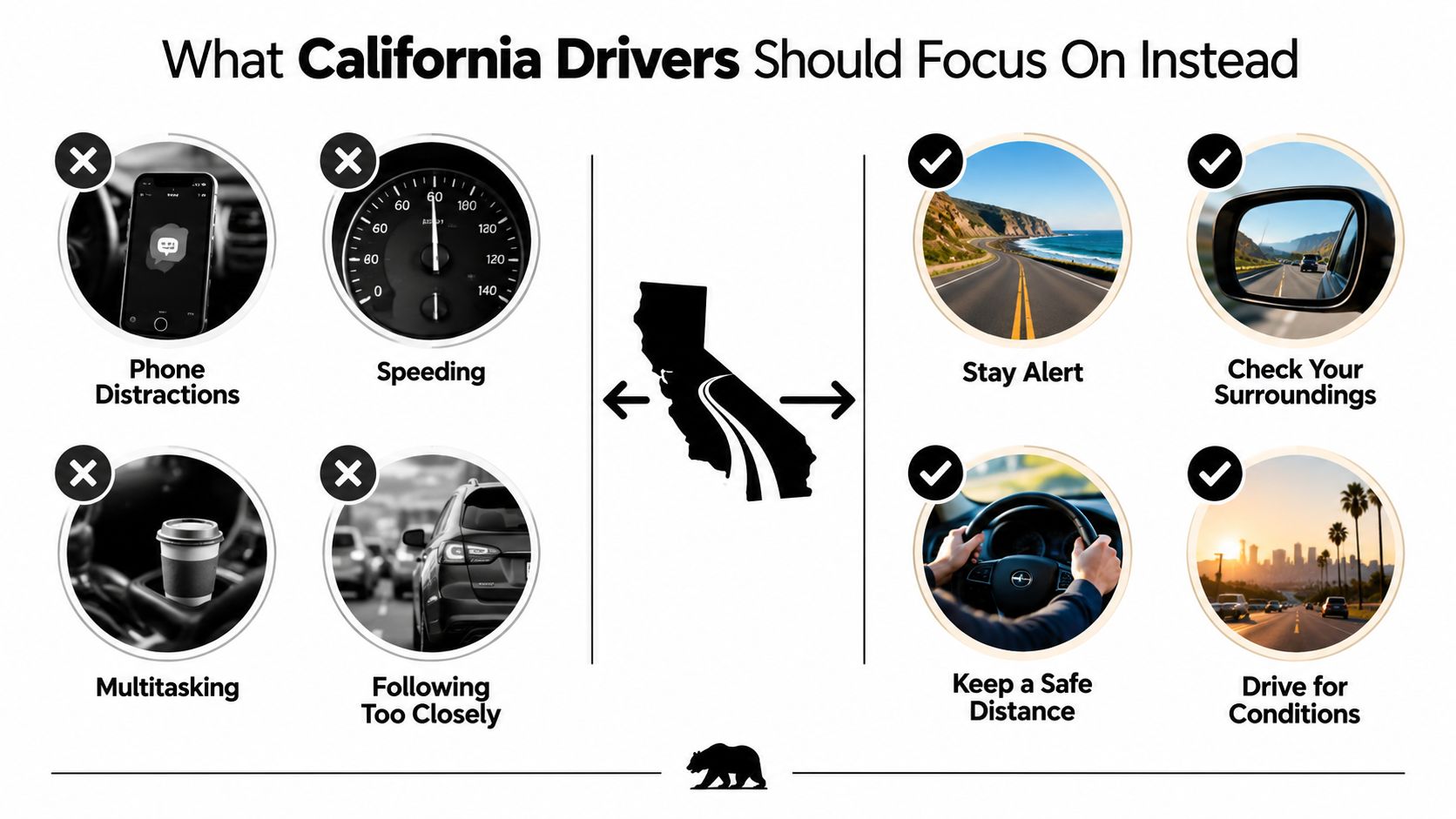
What California Drivers Should Focus On Instead
California's legal minimum for standard auto liability coverage is $30,000 for bodily injury or death per person, $60,000 per accident for more than one injured person, and $15,000 for property damage, often described as the 30/60/15 standard. The California Department of Insurance explains these minimum limits and notes that the policy won't pay beyond those stated caps. If several people are injured, they share the available per-accident limit.
That minimum answers the legal question, not necessarily the financial one. A serious crash can create medical, repair, legal, and transportation costs that exceed basic limits. California drivers should compare liability limits, uninsured and underinsured motorist coverage, auto coverage, collision coverage, and deductibles instead of choosing a policy based on a vehicle's color.
California's insurance framework also makes driver-related information especially important. Driving record, miles driven, years of experience, and selected coverage choices are central considerations under the state's rating rules. A single ZIP code can also reflect different theft exposure, traffic patterns, parking conditions, repair costs, and wildfire-related pressures.
Auto, home, and renters coverage are separate decisions
Full auto coverage can respond to covered losses such as theft or certain non-collision damage, while collision coverage addresses covered damage from a collision. Neither coverage exists because a vehicle is red. Earthquake and wildfire risks also require careful policy review, especially because home insurance, renters insurance, and auto insurance address different property and liability exposures.
For residents who can't obtain regular residential coverage, the California FAIR Plan serves as a last-resort property insurance source. The Department of Insurance says residential policyholders can access limits up to $3 million per location, and the FAIR Plan offers a wildfire-related discount for residential policyholders who harden their properties. Its dwelling fire policy is a named-peril policy, so it covers listed causes of loss rather than providing broad all-risk protection. California FAIR Plan information from the Department of Insurance explains those limitations.
A driver or homeowner can also reduce confusion by handling practical ownership requirements, such as reviewing guidance on a California smog check for older cars, while keeping auto, home, and renters coverage decisions separate. California coverage options are outlined in this guide to auto insurance in California.
When Color Can Still Cost You Custom Coverage
A factory red paint option is generally treated like a factory white, black, or silver option. The situation changes when the finish is part of a documented modification. Custom paint, a vinyl wrap, a color-change wrap, a multi-stage finish, or restoration work can add value that a standard policy may not automatically protect.
The insurer may ask what was changed, who performed the work, what it cost, and whether receipts or photographs support the stated value. The paint itself remains visually neutral. The customization and the value attached to it can affect the coverage conversation, particularly for broad protection, specialty vehicles, and modified-car endorsements.
Factory finish compared with custom work
| Factor | Factory Red | Custom or Aftermarket |
|---|---|---|
| Underwriting identity | Included in the manufacturer's standard vehicle description | May require additional documentation |
| Vehicle value | Usually reflected through the standard VIN and model information | May include added modification value |
| Claim settlement | Handled under the policy's normal vehicle terms | May require an endorsement or specialty policy |
| Repair expectations | Factory finish and standard parts | Matching materials, labor, and finish may need review |
| Policy questions | Usually routine vehicle details | Modifications, receipts, ownership, and prior damage may matter |
Owners of classic, restored, or enthusiast vehicles may need to compare stated-value and agreed-value arrangements rather than assuming ordinary car insurance will restore every modification. A body kit, upgraded wheels, custom interior, or specialty finish can create the same documentation issue.
Salvage-title and rebuilt-title vehicles deserve extra caution. A repaint may improve appearance while hiding evidence of earlier damage, so insurers may ask for inspection records, repair documentation, photographs, and title history. That concern relates to the vehicle's condition and insurance value, not to red paint.
The safe approach is straightforward. Tell the insurer about the modification before binding coverage, ask whether an endorsement is required, and keep invoices and photographs with the policy records. Saving money by leaving out a valuable custom finish can create a serious coverage dispute after a loss.
How to Compare Quotes and Stack Real Discounts
A lower quote only helps if it offers comparable protection. Start by creating one set of coverage instructions and use it with every carrier. Keep the liability limits, deductibles, vehicle details, drivers, garaging address, mileage, and requested options consistent.
Use the same information every time
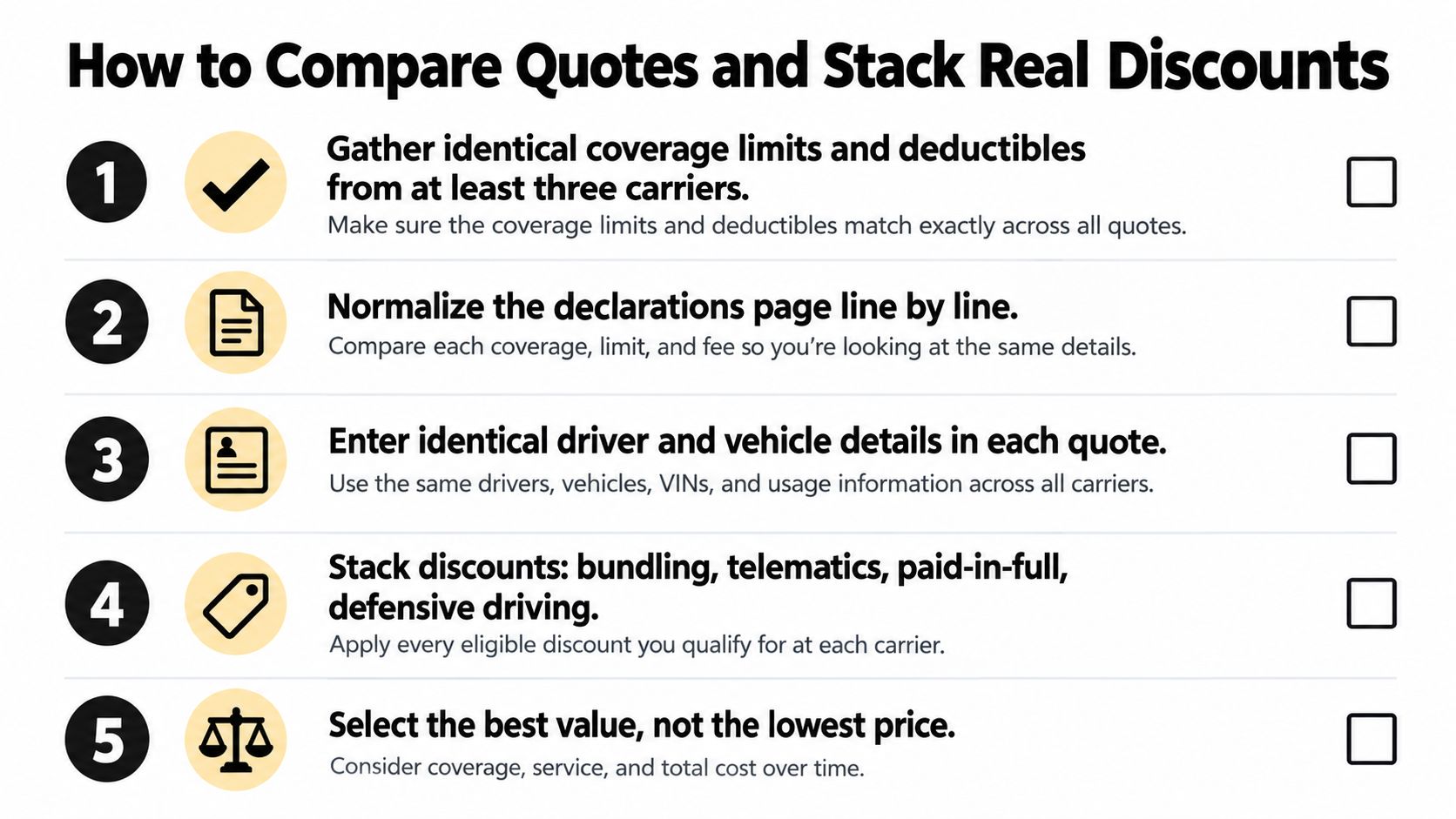
- Gather identical limits and deductibles. Compare the same liability protection, all-risk and collision deductibles, uninsured or underinsured motorist coverage, and optional protections.
- Normalize the declarations pages. Read each page line by line so a cheaper quote has not silently removed a useful coverage or changed a deductible.
- Enter matching driver and vehicle details. Use the same VIN, primary driver, annual mileage, address, driving history, and ownership information.
- Investigate outliers. If one quote is much higher or lower, ask which input created the difference instead of blaming the vehicle color.
- Choose value, not just price. Consider limits, exclusions, claims support, deductibles, and financial protection alongside the premium.
The included comparison process is also summarized in this California insurance quote resource. A licensed agent can help identify mismatched assumptions, but you still need to verify that the information submitted is accurate.

Apply discounts without misrepresenting risk
Insurers may offer discounts for combinations such as bundling home and auto, safe driving, telematics, low mileage, paid-in-full payment, paperless service, or completion of an approved defensive driving course. Availability and eligibility vary, so ask each carrier to explain the requirements.
Bundling can connect home insurance, renters insurance, and auto insurance in one review, but don't buy an unnecessary policy solely to obtain a discount. A renter may need personal property and liability protection, while a homeowner may need to evaluate dwelling, personal property, liability, wildfire, and earthquake-related options separately.
Telematics and pay-per-mile programs may suit drivers whose actual use is limited, but read the program terms before enrolling. The insurer may evaluate driving behavior or mileage through the program, so the discount should match your comfort level and driving pattern.
Disclose aftermarket modifications, custom paint, wraps, body kits, and replacement equipment. Also report the correct garaging address, primary driver, annual mileage, and vehicle use. Omitting a modification can create a claim problem that outweighs years of premium savings. Don't assume every discount can be stacked. Some programs have eligibility rules that prevent duplicate savings or require one discount to replace another.
Putting It All Together Before You Buy or Renew
Use four questions to evaluate any quote:
- Is the color being blamed for a factor the insurer doesn't rate? Factory red paint normally isn't the issue.
- What does the vehicle identity reveal? Make, model, trim, equipment, repair economics, and theft exposure can change the result.
- What does California add? Driving history, mileage, experience, location, coverage limits, wildfire conditions, and local claim patterns all deserve attention.
- Are the quotes genuinely comparable? Matching limits, deductibles, drivers, mileage, addresses, and modifications makes the comparison meaningful.
Renewal shouldn't be a passive payment. Treat it as a policy audit after a new commute, a move, a new driver in the household, a completed custom build, a changed vehicle, or a major shift in how often you drive. Those changes can affect the risk information in the quote even though the paint stays exactly the same.
The same skeptical habit helps with other California insurance decisions. Review auto coverage separately from home insurance and renters insurance, and consider life insurance when your family's income, debt, or responsibilities change. For broader educational guidance, the Mai & Associates insurance guides can help you prepare questions before speaking with an agent.
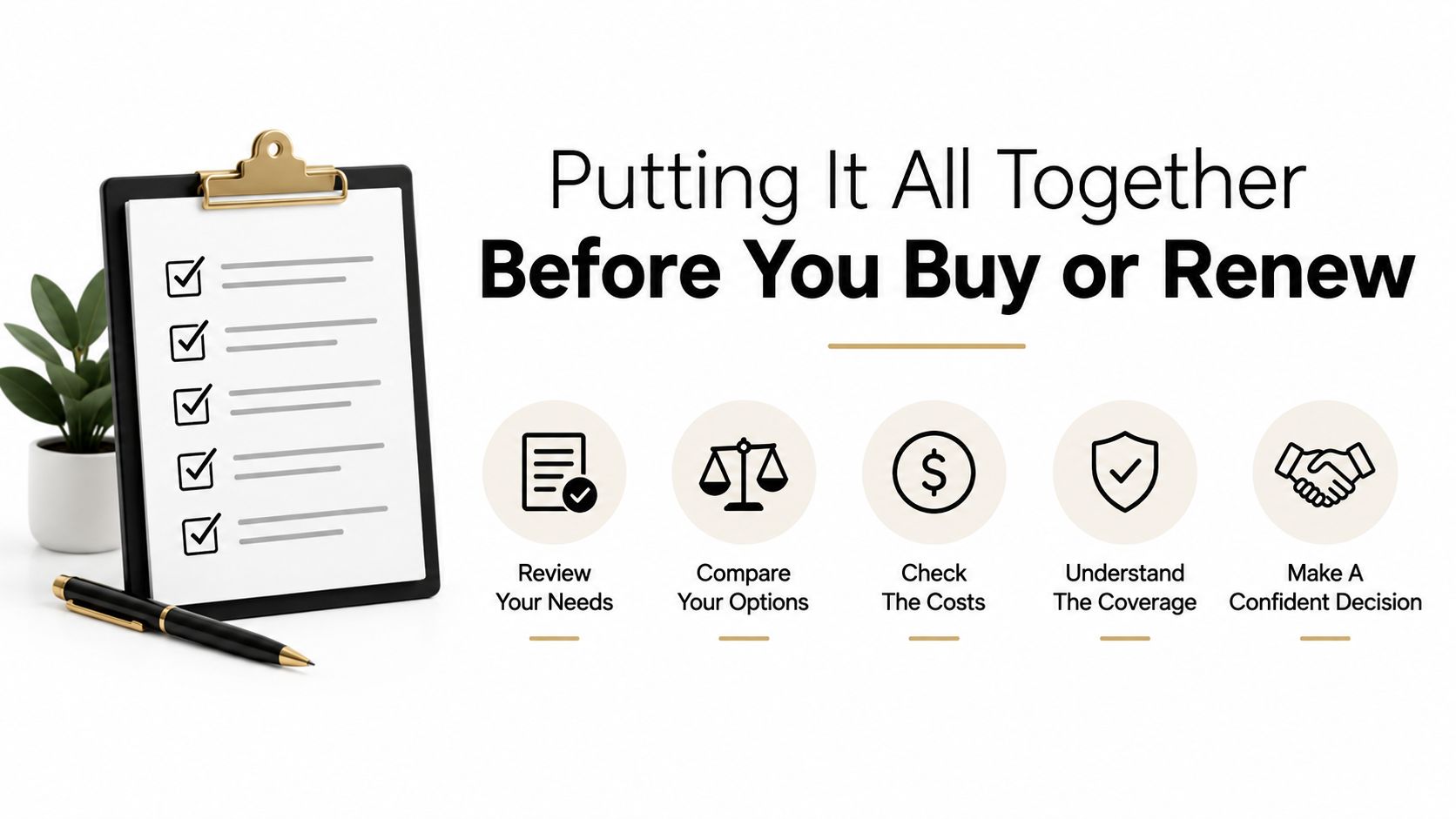
You can choose the red car. Before you buy or renew, verify the VIN details, review the driver and location information, compare matching coverage, and document every modification. That process puts your attention where the premium is determined.
Mai & Associates helps California drivers compare auto insurance coverage and review options for full, collision, and higher-risk situations, while also supporting home, renters, and life insurance needs. Visit Mai & Associates to request a no-obligation quote review and discuss coverage that matches your vehicle, budget, and California risks.