Parked Car Hit and Run? Get Your Claim Handled
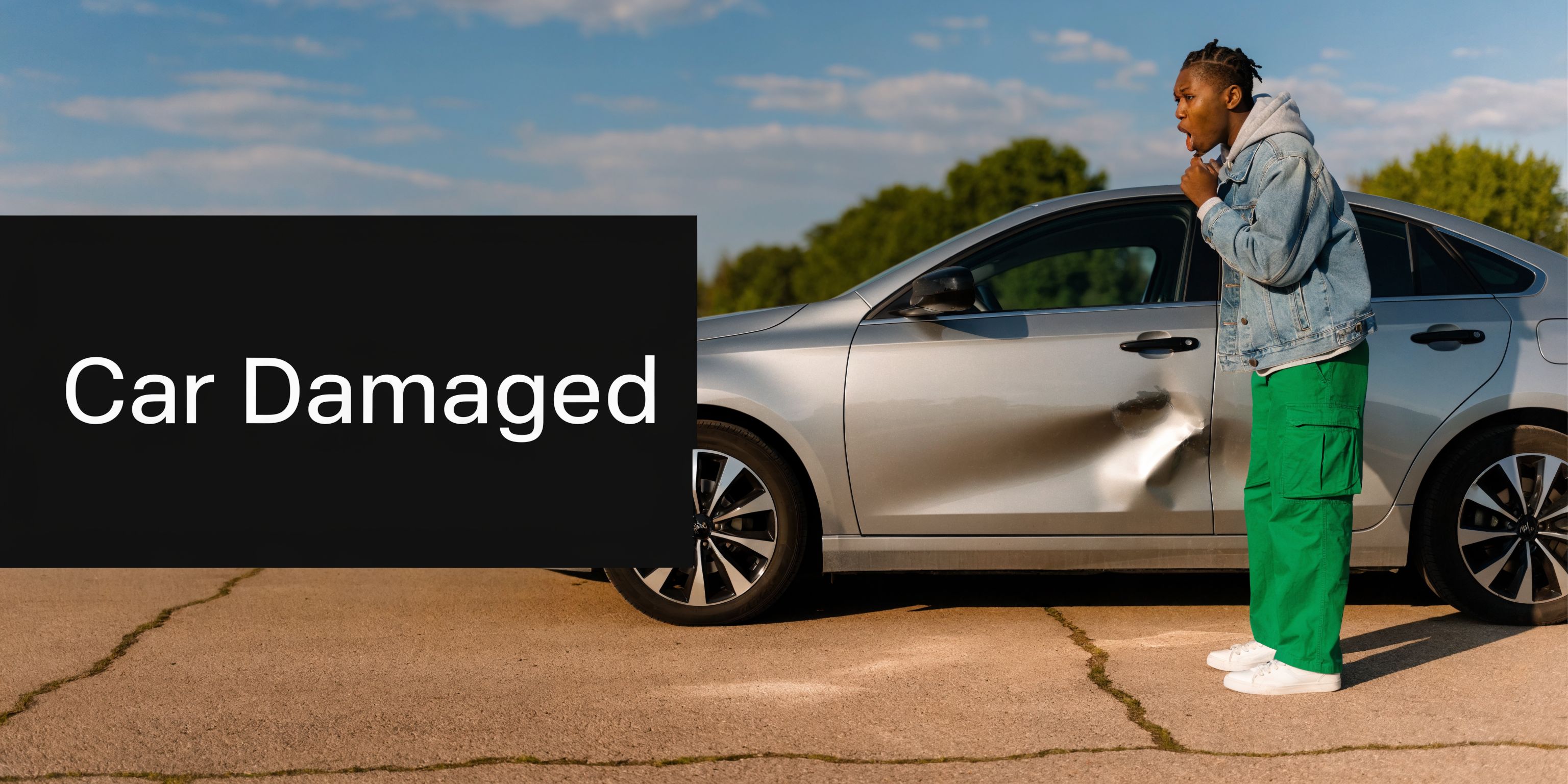
You walk back to your car after work, after dinner, or after a quick stop at the store, and something is wrong right away. A scraped bumper. A dent in the door. A cracked taillight. No note under the wiper. No driver waiting nearby. Just damage and that immediate mix of anger, stress, and confusion.
A parked car hit and run feels personal because you were not even moving. Your vehicle was sitting there, and now you are left dealing with the repair, the paperwork, and the coverage questions.
It also happens far more often than is commonly realized. Property-damage-only incidents made up 74% of all hit-and-runs from 2018 to 2022, and parking lot crashes make up 20% of all reported vehicle crashes, often involving backing into parked cars, according to AutoInsurance.com’s analysis of NHTSA and IIHS data. If you are in California and this happened in a busy lot, on a residential street, or outside an apartment building, you are not dealing with some rare edge case.
The good news is that this is manageable when you handle it in the right order. If you want more California coverage guidance beyond this situation, the Mai & Associates blog has broader articles on auto insurance, home insurance, renters insurance, car insurance, and life insurance issues that come up in real life.
That Sinking Feeling Discovering Your Parked Car Was Hit
The first few minutes matter because individuals often either freeze or rush. Neither helps.
I have seen the same pattern many times with California drivers. Someone finds fresh damage in a Glendale shopping center, outside an apartment in Costa Mesa, or on a side street near work. They immediately ask the same questions. Should I move the car? Do I need to call police? Will my insurance treat this as collision? Does uninsured motorist property damage apply? Should I wait in case someone comes back?
Those are all fair questions. What matters first is not guessing. It is preserving what is still available.
Why this feels worse than a normal fender bender
A regular accident usually gives you another driver, an exchange of information, and a clear path to a claim. A parked car hit and run removes that structure. You do not know when it happened, who caused it, or whether any witness saw enough to help.
That uncertainty is what makes people lose time. They start driving around looking for the other car, or they call friends before they document the scene.
Key takeaway: Treat the area around your car like evidence first, inconvenience second.
You are not powerless here
Even when the other driver disappears, a strong claim can still come together through photos, witness details, physical debris, surveillance footage, a police report, and the right coverage path under your California policy.
What works is calm, fast, organized action.
What usually does not work is relying on memory later, assuming nearby stores will automatically save video, or reporting the claim with only a vague description like “someone must have hit me sometime today.” The more specific you can be, the more options you preserve.
A lot of drivers also underestimate low-speed damage. A backed-into quarter panel or bumper can look cosmetic and still involve hidden repair issues. That is another reason to document everything before the car gets washed, moved repeatedly, or sent into the shop.
Your First Moves at the Scene of the Hit and Run
Your first job is safety. Your second job is to lock down the facts before they disappear.
Start with safety and scene awareness
If the car is in a dark garage, isolated structure, or poorly lit street, look around before you focus on the damage. Stay aware of who is nearby. If something feels off, get to a safer spot and call for help before you spend time taking photos.
If the area is safe, pause and do not move the car yet unless it is creating a hazard.
What to do in the first few minutes
Use this order.
Check for any note or contact information Look under the wiper, in the door handle area, and on the ground nearby. Most drivers in this situation do not leave a note, but you should still confirm before you assume the worst.
Take wide photos before touching anything Photograph the full vehicle as parked. Include the lane stripe, curb, nearby cars, building signs, parking stall number, and anything that shows position. These wide shots help later when an adjuster or officer wants context.
Record the exact time you discovered the damage If you do not know when the impact happened, the discovery time still matters. Put it in your phone notes immediately.
Look around for the other vehicle or fresh debris Do not chase a suspected driver. Just scan the area for broken plastic, paint flakes, mirror pieces, or a nearby car with damage that lines up.
Ask whether anyone nearby saw it happen A valet, delivery driver, cashier, security guard, or another customer may have noticed more than you think.
What to say to possible witnesses
Keep it simple and direct.
Ask about timing “Did you happen to see when this car was hit?”
Ask about vehicle details “Do you remember the color, type of car, or any part of the plate?”
Ask about cameras “Do you know if this business or building has cameras facing the lot?”
Do not argue with uncertain answers. Partial information is still useful if you write it down right away.
What not to do
Some mistakes make a later claim harder than it needs to be.
- Do not wash off transfer paint That streak from another car may matter.
- Do not throw away loose fragments Small pieces can help identify the striking vehicle.
- Do not guess about what happened Stick to what you observed.
- Do not delay because the damage looks minor Minor-looking damage can still involve a meaningful repair bill and a coverage question.
Practical tip: Before you leave the scene, create one note on your phone with the time, location, weather, what side of the car was hit, and whether you found witnesses or cameras. That single note becomes the backbone of your police report and insurance claim.
How to Gather Powerful Evidence for Your Claim
The difference between a smooth claim and a drawn-out deductible fight usually comes down to your evidence file. In California, that matters even more than drivers expect. If the other car is never identified, the details you preserve can affect whether your claim stays in collision, whether your carrier will even evaluate a UMPD angle, and how much pushback you get on when or how the damage happened.
For broader California claim-prep checklists and coverage guides, keep our California insurance guides and auto claim resources handy.
Build a photo set that answers the adjuster's questions
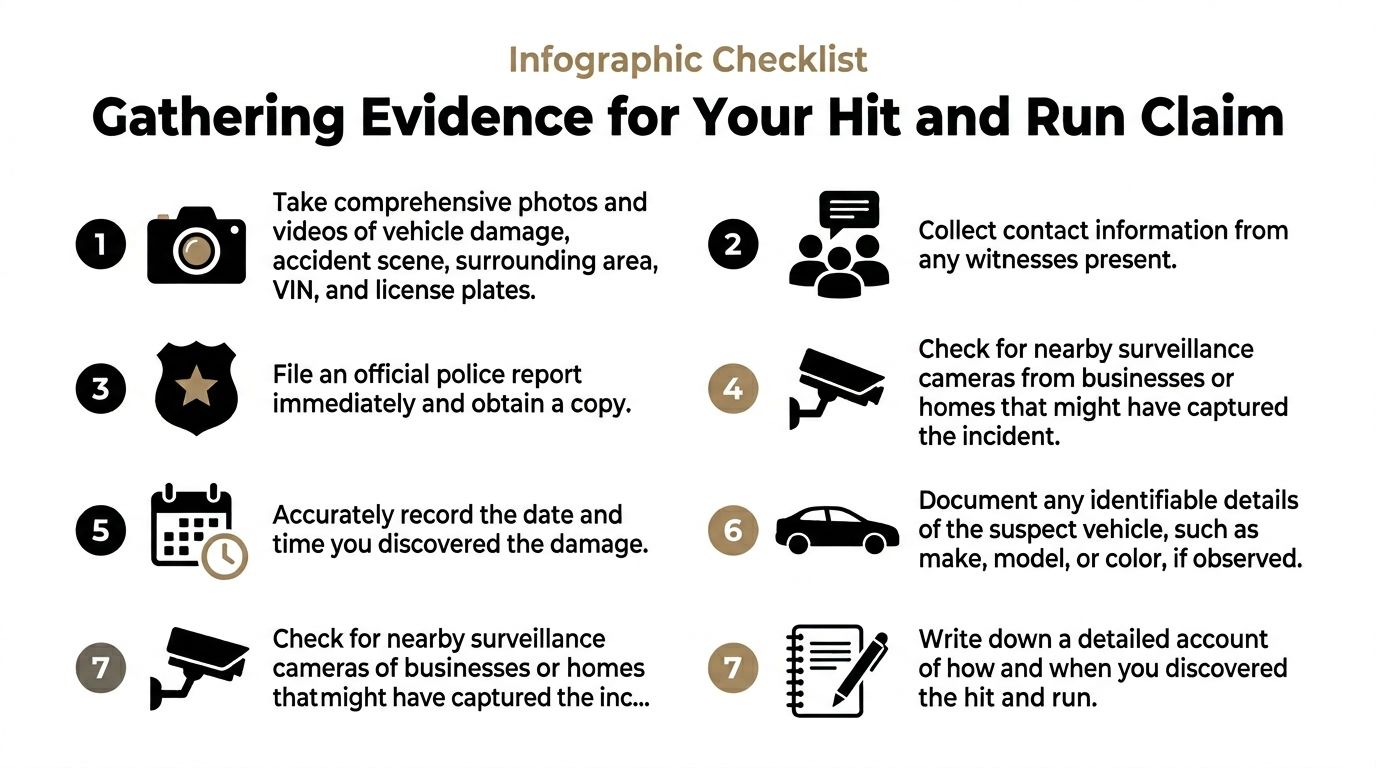
I tell clients to photograph the claim the way an adjuster will review it later, on a screen, without standing where you stood. If your photos leave gaps, the carrier fills those gaps with questions.
Start with wide shots of the whole vehicle and the parking area. Include stall lines, nearby signs, curbs, poles, storefronts, or building numbers. In Glendale garages and Costa Mesa retail lots, those location markers help tie your timeline to the right camera bank or property manager.
Then take medium shots showing the damaged area plus the next panel over. That helps show direction of impact and whether the damage lines up with a parked, stationary vehicle.
Finish with clear close-ups of:
- paint transfer
- cracked trim
- bumper tears
- broken glass or plastic
- scrapes on the wheel, fender, or mirror
- debris on the ground near the point of impact
Photograph your license plate, VIN sticker, and odometer too. It sounds minor, but it keeps your claim file organized and reduces back-and-forth once the estimate starts.
Record details that help with a California coverage dispute
A parked car hit and run claim is not only about proving damage. It is also about proving context.
Make sure your photos or notes show:
- exact location Street address, parking structure level, stall number, or the business name.
- time window When you parked and when you found the damage.
- weather and lighting This can explain visibility and support the timeline.
- angle of impact Note whether damage is on the corner, side, or rear.
- signs of another vehicle Paint streaks, trim pieces, lamp fragments, or tire marks.
That context helps if your insurer asks whether this was a hit and run, older damage, or something that happened somewhere else. Those are common claim questions, especially when the other driver never comes forward.
Track down video before it disappears
Footage gets overwritten quickly. In practice, some businesses keep it for days, some for weeks, and some front-line employees have no idea what the system retains.
Look beyond the obvious camera pointed at the front door. Check for cameras covering entrances, exits, payment kiosks, loading zones, and drive aisles. In dense Southern California parking areas, the best clip often catches the car leaving, not the actual impact.
Ask for preservation, not immediate release. A short, polite request works best: your parked car was hit, you know the approximate time window, and you are asking that any footage facing that row or exit be saved for a police report or insurance request.
Good places to ask include:
- shopping center security
- property management offices
- apartment gate or garage staff
- bank branches near the lot
- nearby homes or businesses with doorbell cameras
If someone agrees to save footage, write down the person’s name, title, phone number, and the exact camera location they mentioned. That note can save days later.
Save physical evidence without damaging it
Loose fragments matter. So does transfer paint.
If you find broken plastic or trim that likely came from the other vehicle, photograph it where it sits before touching it. Then place each item in a separate envelope or clean bag. Label it with the date, time, and where you found it, such as “silver fragment near right rear bumper.”
Do not scrub the damaged area. Do not tape over paint transfer. Do not toss small pieces because they look unimportant.
That material can support your repair shop’s opinion about point of impact, and it can help if an adjuster questions whether the damage is consistent with a parked-car strike.
Write a short narrative while your memory is fresh
This is one of the simplest ways to strengthen a claim, and almost nobody does it well under stress.
Write a brief factual summary in your phone. Keep it clean and specific. Note when you parked, when you returned, what you saw first, what side was hit, whether debris was present, which cameras may cover the area, and who you spoke with.
Avoid guesses. If you are unsure, say you are unsure.
A consistent timeline helps with every later step. It also protects you if the claim turns into a deductible question between collision and uninsured motorist property damage, because your insurer will look closely at whether there is enough evidence that another vehicle caused the loss.
Filing a Police Report and Notifying Your Insurer
You walk back to your car after dinner in Glendale or a quick stop in Costa Mesa, and there is fresh damage with no note under the wiper. At that point, the claim stops being just a repair issue. It becomes a documentation issue.
Why the police report matters
In California, officers do not always come out for a parked-car hit and run, especially if no one was hurt and the car is drivable. File the report anyway.
That report gives your insurer a dated, third-party record showing the damage was discovered after a hit and run, not weeks later with an unclear cause. That matters more than drivers realize. I have seen otherwise solid claims get delayed because the carrier could not pin down when the loss happened or whether another vehicle was clearly involved.
If the department lets you file online or at the front desk, do it as soon as you can. Use the same facts you already wrote down. Keep the timeline tight and consistent.
What to bring or upload with the report
Have these details ready before you start:
Vehicle information License plate, VIN, make, model, color, and the exact place the car was parked.
Your timeline When you parked, when you returned, and when you first noticed the damage.
Scene evidence Photos, video, debris notes, witness names, and any nearby business or residential cameras.
What was left behind Paint transfer, broken plastic, or any part that appears to belong to the other vehicle.
Small details help here. If a report includes debris, transfer paint, or a witness who saw a vehicle leave, your insurer has a cleaner basis for treating the loss as a hit and run caused by another driver.
How to report the claim without creating avoidable problems
Call your carrier promptly and keep the first report factual. Do not guess. Do not minimize the damage. Do not fill in missing details to sound certain.
A strong opening is simple: your car was legally parked, you found fresh damage, no contact information was left, you documented the scene, and you filed or are filing a police report.
Use wording like this:
“I found new damage while my car was parked at this location. The other driver was gone. I took photos, noted possible cameras, and I am submitting a police report.”
That phrasing helps because California carriers listen for anything that turns a clean parked-car hit and run into “unverified damage.” One careless sentence can create a deductible dispute later.
Ask these questions on the first claim call
Ask these questions on the first claim call, as policy details start to matter.
- Will you review this under collision, UMPD, or both if my policy allows it?
- Do you need the police report number now, or the completed report later?
- Do you require photos first, or an in-person inspection?
- Can I use my own repair shop?
- Should I wait for coverage review before starting repairs?
For California drivers, those questions are not just administrative. They affect how fast the claim moves and which deductible may apply. If you want a clearer overview of how policies are structured, Car Insurance In California is a helpful reference, and our guide to California auto insurance options can help you confirm what your own policy includes before the adjuster makes a coverage decision.
One practical tip from years of handling these claims. Ask the adjuster to note in the file that the vehicle was parked and unattended, and that you are providing evidence of third-party impact. That short note can help if the claim later gets reviewed for UMPD eligibility versus collision.
Navigating California Auto Insurance for a Hit and Run
Many California drivers get tripped up at this point. They know they have “full coverage,” but they do not know which part of the policy applies to a parked car hit and run.
The common comparison is Collision Coverage versus Uninsured Motorist Property Damage, often shortened to UMPD.

For California-specific policy shopping context, this overview of Car Insurance In California is a useful companion read if you are comparing how different coverage pieces fit together. If you want to review policy options directly, California auto insurance options lays out the kinds of policies drivers typically compare.
Why this gets confusing
The problem is not that drivers ignore coverage. The problem is that generic advice often treats every state the same.
As Progressive’s parked car accident explanation notes, state-specific differences in hit-and-run coverage matter, and in California many drivers do not fully understand how UMPD and Collision interact, which can leave them underinsured or paying a higher deductible than necessary.
Collision and UMPD side by side
Collision is usually the broadest path for damage to your own car after impact, regardless of whether the at-fault driver is identified. UMPD can be attractive because drivers often associate it with a lower out-of-pocket cost, but the details depend on policy language and claim facts.
Here is the practical comparison many drivers need:
| Coverage Feature | Collision Coverage | Uninsured Motorist Property Damage (UMPD) |
|---|---|---|
| Main purpose | Pays for damage to your vehicle from an impact loss | May apply when an uninsured or unknown driver damages your vehicle |
| Typical issue in a parked car hit and run | Usually the more straightforward path if you carry it | Can involve additional eligibility questions |
| Deductible example discussed by drivers | A driver may have a $500 collision deductible | A driver may compare that to a $250 UMPD deductible |
| Best use case | When fast repair handling matters and coverage is clear | When policy terms support it and the lower deductible is available |
| Common trade-off | Higher deductible in some policies | More conditions and more room for confusion |
| What to verify | Repair process, deductible, preferred inspection steps | Whether the hit-and-run facts meet the policy requirements |
What works in real claims
What works is checking your declarations page before you assume which deductible applies. Many people hear “uninsured motorist” and assume any unknown driver automatically triggers the best possible outcome. Sometimes that is true. Sometimes collision is the practical route.
What does not work is waiting until after repairs begin to ask which coverage section the carrier is using.
If you also bundle home insurance, renters insurance, or life insurance with the same agency, you may have an easier time managing billing and policy review in one place, but the auto claim itself still turns on the auto policy language.
Best move: Ask your carrier to explain in plain language which coverage section applies to your parked car hit and run and what deductible will be used before authorizing major repairs.
Protecting Yourself and Your Vehicle in the Future
Once the claim is open, the next stage is usually inspection, estimate, repair approval, and shop scheduling. If the at-fault driver is identified later, the recovery path may change, but your immediate goal is still the same. Get the car repaired correctly and protect your out-of-pocket costs as much as your policy allows.
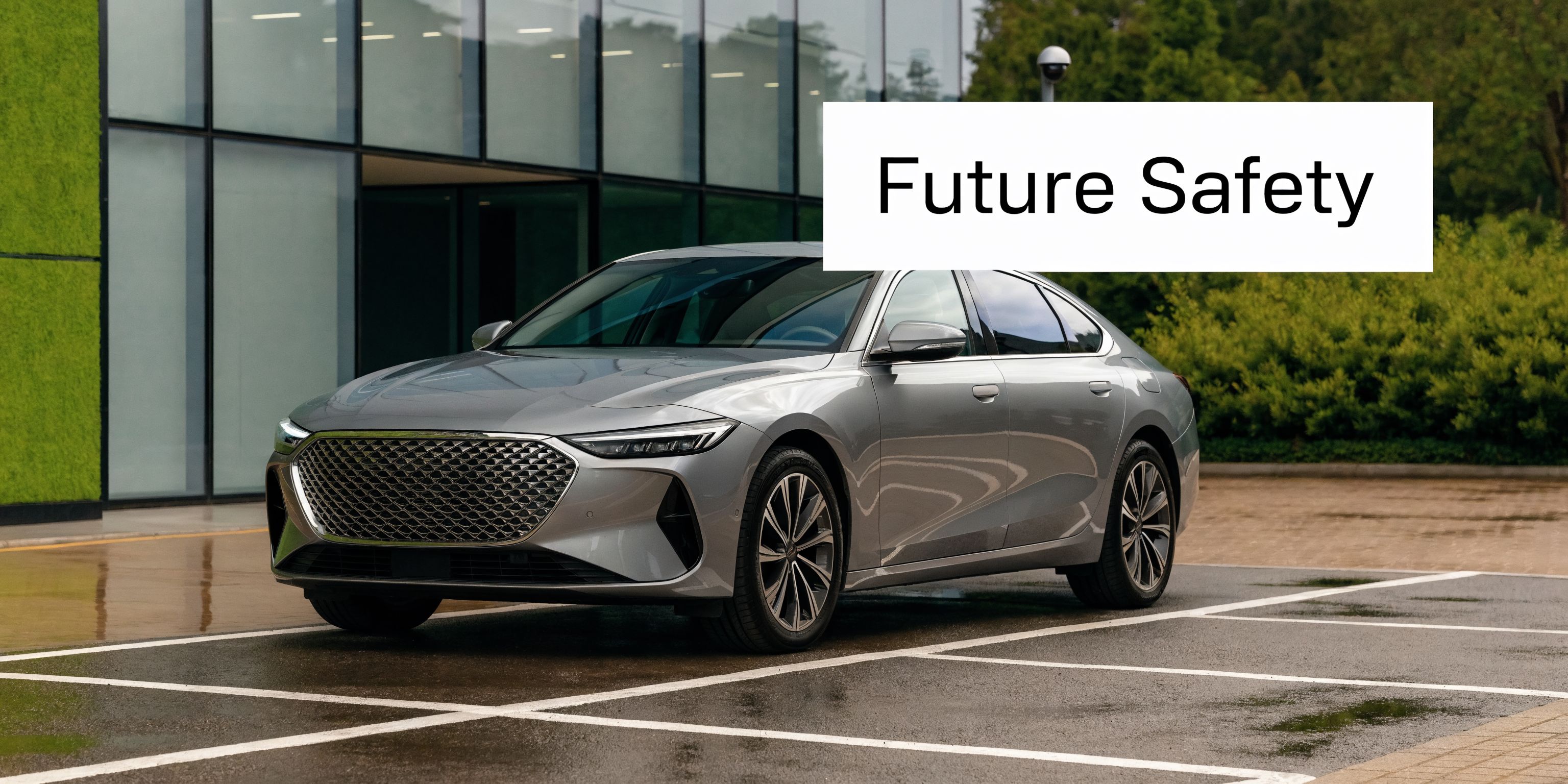
Future prevention matters because the risk is not theoretical. According to Reiff Law Firm’s summary of national hit-and-run trends, fatal hit-and-run crashes increased by 60% between 2009 and 2016, and a hit-and-run occurs every 43 seconds in the U.S., with higher frequency at night. That supports a simple habit that still works well. Choose well-lit parking whenever you can.
Smart prevention steps that help
- Park with intention Pick visible, well-lit spaces. Avoid tight corners, blind backing areas, and spots near heavy cart traffic.
- Use a dashcam with parking mode A camera that records motion or impact while parked can change the entire claim.
- Add tracking or alert tools if theft risk overlaps with hit-and-run concerns Some drivers also look at a GPS car tracker security system for location alerts and vehicle monitoring.
- Review your deductibles before the next claim The wrong deductible usually feels fine until you have to use it.
- Do not neglect the rest of your insurance picture California drivers often focus on auto, then realize later they also need a better home insurance, renters insurance, or life insurance review.
If you want to tighten up your coverage before the next surprise, request a policy review or quote through cahomeauto.com/get-insurance-quote. A good review can catch gaps before a claim forces the issue.
A parked car hit and run is frustrating, but it does not have to spiral. Good photos, fast reporting, preserved evidence, and the right California coverage make a real difference.
If you want help reviewing your California auto insurance, home insurance, renters insurance, car insurance, or life insurance options after a parked car hit and run, Mai & Associates can help you compare coverage, spot gaps, and get a same-day quote with straightforward guidance.