A Guide to Comprehensive and Collision Insurance in California
Think of your auto insurance policy like a toolkit for protecting your car. Collision insurance is the specific tool you use after an actual crash—whether you hit another car, a guardrail, or a light post. It’s all about impact.
On the other hand, comprehensive insurance is your multi-tool for almost everything else. It covers the unexpected, random events that have nothing to do with a typical accident, like theft, vandalism, falling tree branches, or even damage from a wildfire. When it comes to California insurance, understanding both is crucial for protecting your vehicle.
Demystifying Your Core Auto Insurance Coverage
While California law only mandates liability coverage, most drivers understand that it's just the starting point. To feel truly protected on the road, you need more. That's where comprehensive and collision coverage come in, forming the backbone of a solid car insurance plan.
Getting a handle on what each one does is the first step toward making sure both your vehicle and your wallet are properly protected.
What Comprehensive and Collision Insurance Protects
Collision coverage is straightforward: it pays to repair or replace your car after it's damaged in a collision. This includes everything from a fender-bender in a parking lot to a serious rollover accident. If your car makes physical contact with another object or vehicle and sustains damage, this is the coverage that kicks in.
Comprehensive, often called "other than collision," handles a much wider array of incidents. These are usually the things you have no control over, which is exactly why this coverage is so valuable for any California auto insurance policy.
Here in California, we have our own unique set of risks that make comprehensive coverage especially important.
- Theft and Vandalism: Covers you if your car is stolen or maliciously damaged.
- Natural Disasters: Provides a safety net against damage from our state's notorious wildfires, earthquakes, floods, or hailstorms.
- Random Acts of Nature: This is for the unexpected, like a tree branch falling on your roof during a storm or hitting a deer on a rural road.
Both coverages are absolutely vital when the damage is severe, particularly in total loss scenarios where your vehicle is damaged beyond repair.
Simply put, collision protects your car from crashes you're involved in, while comprehensive shields it from the curveballs life throws your way. Together, they create what most people call "full coverage."
To help you see the difference at a glance, here’s a quick breakdown of what each policy type typically handles.
Comprehensive vs Collision What Each Insurance Covers
| Coverage Type | What It Typically Covers | Example Scenarios |
|---|---|---|
| Comprehensive | Damage from non-collision events that are often out of your control. | Your car is stolen; a tree falls on it; it's damaged in a flood or wildfire; you hit an animal. |
| Collision | Damage to your car from an impact with another vehicle or an object. | You back into a pole; you are in a multi-car accident; your car rolls over. |
This table shows how these two coverages work together to provide a complete shield for your vehicle against a wide range of potential damages.
The global car insurance market was valued at a staggering $2.13 trillion in 2026 and is expected to climb to $2.86 trillion by 2031. This isn't just a random number—it reflects just how much vehicle values and repair costs are rising.
For California drivers, this trend makes having the right comprehensive and collision plan more critical than ever. To see how these pieces fit into a complete policy, you can explore what a full auto insurance California plan looks like.
How Your Deductible Shapes Your Policy
Think of your deductible as your part of the deal. It's the amount you agree to pay out-of-pocket for a repair before your comprehensive or collision insurance kicks in to handle the rest. Getting this number right is one of the biggest levers you can pull to control your car insurance costs.
It all comes down to a simple trade-off. The more financial responsibility you're willing to take on (a higher deductible), the less you'll pay every month for your premium. It's a balancing act between what you pay now versus what you might have to pay later.
The "Pay Less Now" Approach: Higher Deductible, Lower Premium
If you choose a higher deductible, say $1,000, you’re telling the insurance company you'll cover the first grand of any claim. Since you're shouldering more of the initial risk, they'll thank you with a lower monthly premium. It's a move that can save you a good chunk of money over the life of your policy.
This strategy makes a lot of sense for drivers who:
- Keep a healthy emergency fund and could write a $1,000 check without breaking a sweat.
- Are cautious drivers with a clean record who don't expect to file claims often.
- Want their fixed monthly insurance bill to be as low as possible.
Just remember, you have to be honest with yourself. If a surprise $1,000 bill would throw your finances into a tailspin, this might not be the best route for you.
The "Peace of Mind" Approach: Lower Deductible, Higher Premium
On the flip side, a lower deductible—like the very common $500 option—acts as a stronger financial safety net. If something happens, your out-of-pocket cost is much more manageable. The trade-off is that because the insurer is on the hook for a larger potential payout, your monthly premiums will be higher.
This is often the right call for people who:
- Would rather pay a bit more each month for the security of a smaller, predictable repair bill.
- Don't have a large amount of cash set aside for unexpected car trouble.
- Own a newer or high-value car where even a "minor" fender bender can come with a surprisingly hefty price tag.
Here, you’re prioritizing immediate protection over long-term savings. You pay more along the way, but you're shielded from a sudden, significant expense.
For most drivers, $500 is the sweet spot. It strikes a great balance between keeping premiums from getting too high and ensuring that a claim won't be a major financial burden.
This choice directly influences your insurance rates in California. For example, young drivers under 25 often face higher premiums, averaging $258 per month for full coverage, while drivers 60 and over see averages closer to $168 monthly. Your deductible can cause those numbers to swing up or down, and you can see how it all fits together by exploring more insights about California auto insurance costs.
When Full Coverage Is Required in California
California's state law only mandates liability coverage, but that's just the bare minimum to be legal on the road. For most drivers, the real story is different. The truth is, carrying comprehensive and collision insurance often isn't a choice—it's a requirement from the bank that financed your car.
If you have a loan or a lease, you don't own your car free and clear. Your lender holds the title, and they have a major financial stake in that vehicle. To protect their investment, they will almost always require you to have full coverage for the entire life of the loan.
Lender Requirements for Car Insurance
Think of it this way: until you pay off that loan, your lender is essentially your co-owner. If your car gets stolen, totaled in a crash, or even destroyed in a California wildfire, they need a way to recoup their money. Your basic liability policy won't cover the damage to your own vehicle, leaving them on the hook for a huge loss.
To prevent that nightmare scenario, your loan agreement will spell out specific car insurance rules you have to follow:
- Mandatory Coverage: You must keep both comprehensive and collision insurance active at all times. No exceptions.
- Maximum Deductibles: Lenders usually won't let you choose a deductible higher than $500 or $1,000. They want to make sure a high out-of-pocket cost doesn't stop you from getting the car fixed.
- Minimum Liability Limits: Some banks may even require you to carry liability limits that are higher than the state minimum, giving them an extra layer of protection if you cause a serious accident.
If you let your coverage lapse, you're breaking your loan contract. The lender can then take out a policy for you—often called "force-placed insurance"—which is incredibly expensive, and they'll just add the bill to your monthly payments.
SR-22 Filings and Broader Coverage
Another situation where you'll need to think beyond basic liability is if you're required to file an SR-22. An SR-22 isn't insurance; it's a certificate your insurance company files with the California DMV to prove you're insured. This is typically required after a major violation like a DUI, getting caught driving without insurance, or reckless driving.
While the SR-22 itself just verifies you have liability coverage, the situation that led to it is often a major wake-up call. Drivers with an SR-22 are considered high-risk, which makes protecting their own car with comprehensive and collision insurance an even smarter move.
Making the Call When You Own Your Car Outright
Once you've paid off your car loan, the title is in your name and the decision is all yours. Now, it's time for a simple cost-benefit analysis. You need to weigh what you're paying for full coverage against your car's actual value and your own financial stability.
A good rule of thumb many people use is the 10% rule. If the annual cost for your comprehensive and collision policies is more than 10% of what your car is worth, it might be time to drop them. For example, paying $500 a year for full coverage on a car that's only worth $4,000 means you're spending 12.5% of its value annually just to insure it. At that point, it may not be worth it.
This flowchart breaks down the relationship between your deductible and your premium.
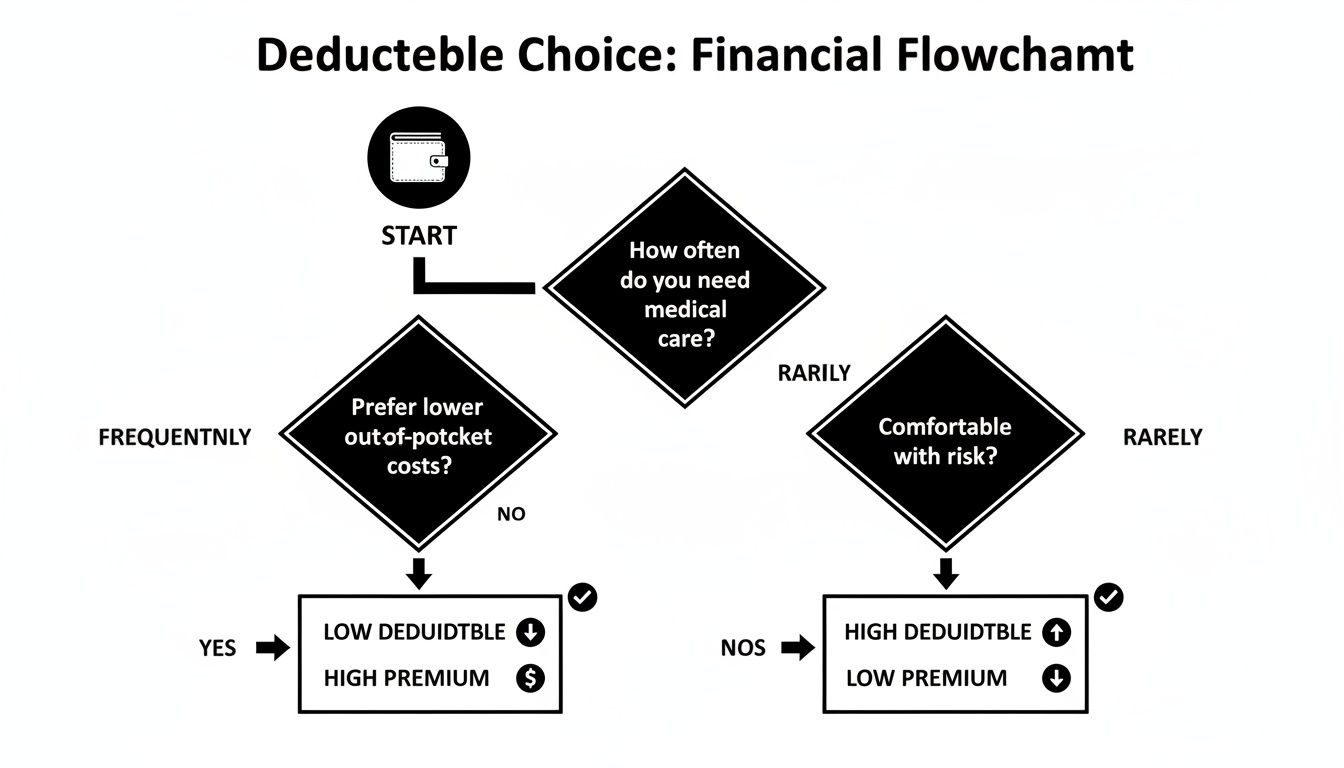
It really comes down to a trade-off. Are you willing to risk a higher out-of-pocket expense (a high deductible) for a lower monthly premium? Or do you prefer the peace of mind that comes with a lower deductible, even if it means paying more each month?
In the end, it boils down to one simple question: If your car was wrecked tomorrow, could you afford to repair or replace it without causing a major financial crisis? If the answer is no, then keeping comprehensive and collision insurance is probably the right call, no matter how old your car is.
Protecting Your Vehicle from California-Specific Risks
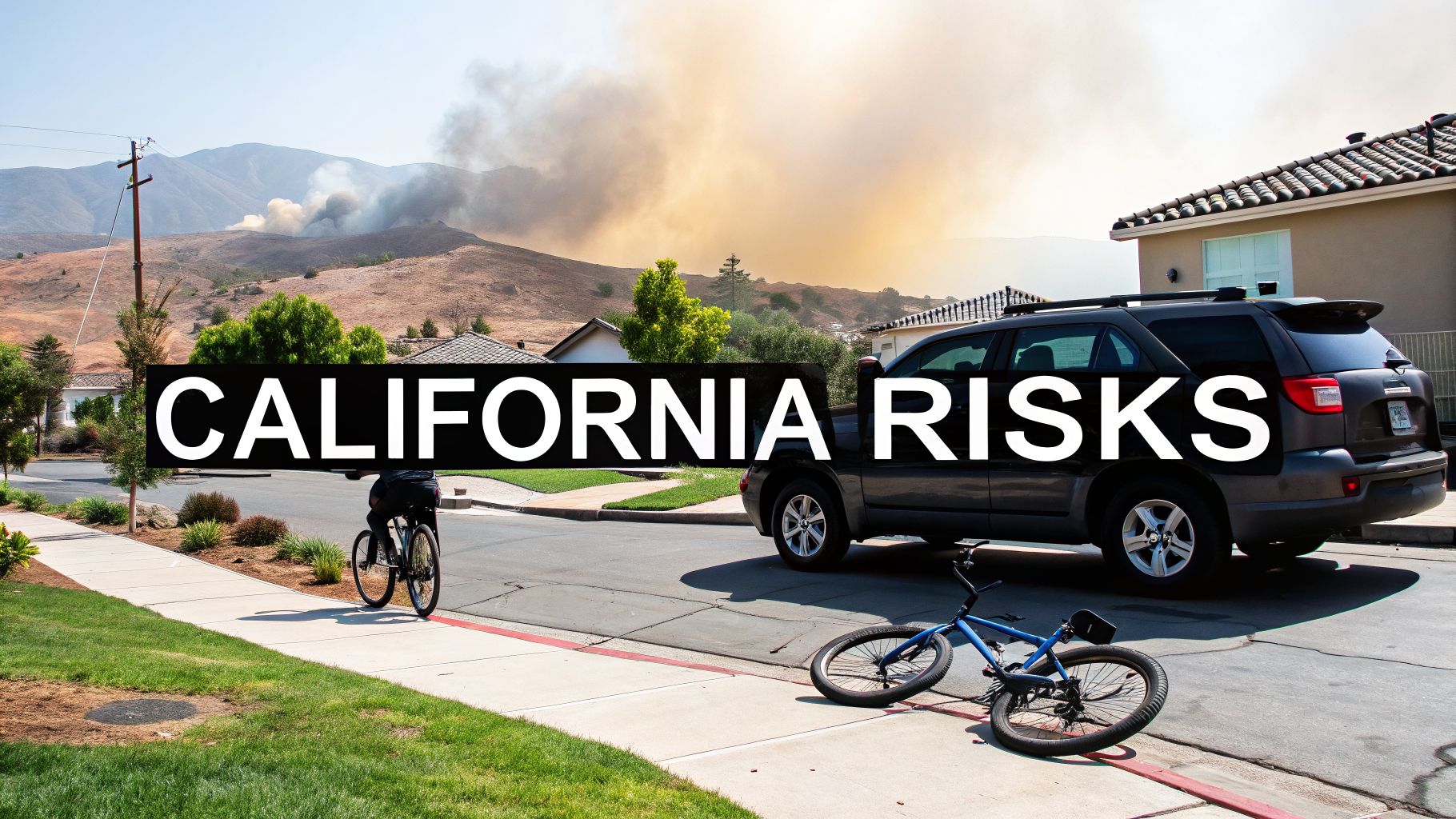
Let's be honest—driving in California is a whole different ball game. Between the bumper-to-bumper traffic, sprawling freeways, and unpredictable natural landscape, our state throws a unique set of challenges at drivers. That’s why having the right auto insurance isn't just a suggestion; it's a financial necessity.
While the state requires you to have liability coverage, that only pays for damage you cause to others. It does absolutely nothing to fix or replace your own car.
That’s where comprehensive and collision insurance come in. Think of them as the essential shields that protect your vehicle from the very real, very specific threats we face here in the Golden State every day. Understanding how they work in our local environment is the key to protecting your finances.
Why Comprehensive Insurance is a California Essential
Comprehensive coverage is your financial backstop for just about everything except a collision. And here in California, the list of "everything else" is long, frequent, and often severe. It’s your first line of defense against hazards that are simply a part of life here.
This coverage is specifically designed for threats like these:
- Wildfires and Natural Disasters: We live with the constant risk of wildfires, earthquakes, and mudslides. Comprehensive is the part of your policy that pays to repair or replace your car if it's scorched in a fire, an essential component of California insurance.
- Theft and Vandalism: It’s no secret that cities like Los Angeles and the Bay Area have some of the country’s highest rates of car theft. If your car is stolen or your window is smashed, comprehensive coverage steps in to cover the loss, minus your deductible.
- Weather and Animal Collisions: From flash floods in the south to hitting a deer up north, the unexpected is always around the corner. These random, frustrating events fall squarely under your comprehensive policy.
Given these ever-present risks, carrying comprehensive insurance is one of the smartest financial moves any California driver can make.
Navigating Congested Highways with Collision Coverage
If comprehensive protects your car when it’s parked, collision protects it when it’s moving. And on California’s notoriously packed roads, that protection is indispensable. Our freeways are legendary for their gridlock, and more cars on the road means a higher chance of an accident.
Simply put, collision coverage pays for repairs to your own car after an accident, regardless of who was at fault. It covers everything from a minor fender-bender on the 405 to a major impact on the I-5.
In a state with millions of drivers, accidents are an unfortunate fact of life. Having collision coverage ensures that one bad moment—whether it was your fault or not—doesn't turn into a crushing repair bill that could easily run into thousands of dollars.
Recent industry data really drives this point home. While the number of repairable claims is down, the frequency of total losses hit a record 22.8% through October 2025. This means that when accidents happen now, they’re more likely to be catastrophic. That makes collision coverage an even more critical safety net, and you can read more about how these claim dynamics are changing the industry.
The Uninsured Motorist Factor in California
One of the biggest financial risks on our roads is the staggering number of uninsured drivers. It's estimated that one in seven California drivers is on the road without proper insurance. If one of them hits you, you could be left holding the bag.
This is where your own policies work together to create a complete shield:
- If an uninsured driver hits you: Your collision coverage is what you’ll use to get your car repaired right away (after you pay your deductible).
- Uninsured Motorist (UM) coverage: This is a separate, but vital, coverage. It helps pay for your medical bills if you're injured. If you have Uninsured Motorist Property Damage (UMPD), it can also help with car repairs, often with a lower deductible than your collision policy.
- The complete safety net: Having both collision and UM coverage means you're protected from all angles, so you don't end up paying for an accident you didn't cause.
Without your own collision policy, your only option would be to sue the at-fault driver to recover the money for repairs—a process that is long, expensive, and rarely successful. Collision coverage gets your car back on the road fast, while your insurance company takes on the headache of going after the other driver.
How to Actually Lower Your Car Insurance Bill
Knowing you need comprehensive and collision insurance is the easy part. The real challenge is making sure it doesn't break the bank. The great thing is, you have way more control over your premium than you might think. With a few smart moves, you can keep that essential protection while cutting your costs.
One of the easiest wins? Bundling your policies. Insurance companies want to keep your business, and they'll pay for it. When you bring your auto insurance and your home insurance, renters insurance, or even life insurance under one roof, they almost always reward you with a hefty discount. This one step often provides the biggest savings right off the bat when managing your California insurance portfolio.
Beyond Bundling: Digging for More Discounts
Once you’ve bundled, it’s time to look at the details of your policy. Let's start with the obvious: your driving record. Nothing keeps your rates down like being a safe driver. Fewer accidents and tickets mean you're a lower risk, and your premiums will reflect that. It’s the best long-term strategy for affordable car insurance.
But there are also specific discounts that can chip away at your bill. It pays to ask about every single one.
- Good Student Discount: Have a young driver on your policy hitting the books? If they maintain a "B" average or better, most companies will give you a nice price break.
- Low-Mileage Discount: If you work from home or just don’t drive much, let your insurer know. Driving less than the average Californian often makes you eligible for a discount.
- Vehicle Safety Features: That car alarm or an advanced braking system isn't just for peace of mind. Many insurers offer discounts for vehicles with modern safety and anti-theft devices for cars.
You can also adjust your deductible. Remember, this is the amount you pay out-of-pocket before your insurance kicks in. Bumping your comprehensive and collision deductible from, say, $500 to $1,000 will lower your monthly payment. Just make sure you can comfortably cover that higher amount if you ever need to file a claim.
The Smartest Move: Shopping Around
Think about it—you'd never buy a car without comparing a few options. Insurance is no different. The price for the exact same coverage can swing wildly from one company to the next. If you've been with the same carrier for years, you could be leaving hundreds of dollars on the table without even knowing it.
This is where an independent insurance agent becomes your secret weapon. Instead of spending hours getting individual quotes yourself, an agent does all the legwork for you. They can pull quotes from dozens of top-rated carriers in minutes.
An independent agent works for you—not an insurance company. Their only goal is to find you the best coverage for the best price, period. They shop the entire market to make sure you're getting the most for your money.
They know which carriers are most competitive for someone in your specific situation here in California—based on your car, your neighborhood, and your driving history. That expert insight saves you a ton of time and gives you the confidence that you’ve found the best possible deal.
At the end of the day, getting affordable comprehensive and collision insurance comes down to being a savvy shopper. Bundle your policies, ask for every discount you deserve, choose your deductible wisely, and let an independent agent compare the market for you. By taking these steps, you can get the protection you need at a price you can live with. For more expert tips, feel free to explore our other guides.
Getting Your California Insurance Quote

Alright, we’ve covered the concepts. Now it’s time to see what this all looks like in the real world with actual numbers. Getting a personalized quote is the only way to truly understand how affordable the right comprehensive and collision insurance can be.
This isn't about just checking a box. It's about crafting a policy that actually fits your life and your budget. The goal is to find that sweet spot where you feel completely protected on the road without overpaying for coverage you don’t need.
What to Expect When You Call for a Quote
This is where having a local California agent in your corner really pays off. We know this state inside and out—from the specific risks in wildfire zones to the challenges of driving in busy urban centers. An experienced agent can spot potential gaps in your coverage that a generic online form might miss.
Getting a quote is fast and painless. To make things go as smoothly as possible, it helps to have a few things handy:
- Driver Info: Your name, address, birthdate, and driver’s license number.
- Vehicle Details: The year, make, model, and Vehicle Identification Number (VIN) for every car you want on the policy.
- Your Current Policy: If you have it, your current policy's declaration page is a great cheat sheet. It lists all your current coverage limits and helps speed things up.
A great insurance quote is more than just a price. It’s a conversation about your driving habits, your budget, and what you need to feel secure behind the wheel.
With this info, a good agent can shop your policy across multiple top-rated insurance carriers to find the absolute best fit.
Ready to see your options? You can get an insurance quote from our team and see just how a tailored approach makes a difference. We aim to get you covered with confidence, all in the same day.
Frequently Asked Questions About California Auto Insurance
Let's tackle some of the most common questions we hear from California drivers about their comprehensive and collision insurance. Getting clear, straightforward answers can make all the difference.
Does My Comprehensive Insurance Cover Damage From Wildfires in California?
Yes, absolutely. This is one of the most critical protections comprehensive coverage offers California residents, especially if you live anywhere near a high-risk fire zone.
Damage to your car from a wildfire is exactly what comprehensive insurance is for. After you pay your deductible, your policy will cover the cost of repairs or, if it's declared a total loss, pay out its actual cash value. This is a key benefit of comprehensive car insurance in the state.
What Happens If I Get into an Accident With an Uninsured Driver?
This is a stressful situation, and unfortunately, it’s all too common here. If an uninsured driver hits you and they are at fault, your own collision insurance is your first line of defense. It will pay to fix your car once you’ve met your deductible.
While you technically have the right to sue the at-fault driver, trying to collect money from someone without insurance is often a long, frustrating, and fruitless process. This is why having your own coverage is so vital for your peace of mind.
Key Takeaway: Your own collision policy is your best and fastest path to getting your car fixed after being hit by an uninsured driver. Don't rely on the other driver's ability to pay out-of-pocket.
It’s also worth looking into Uninsured Motorist Property Damage (UMPD) coverage. It's an optional add-on that can also cover repairs, sometimes with a lower deductible than your standard collision policy.
Should I Drop Full Coverage on My Older Car?
This is a financial judgment call every owner of an older car eventually makes. There’s a simple rule of thumb we use to help guide this decision.
Consider dropping full coverage (meaning both comprehensive and collision) when the annual cost of that coverage reaches 10% or more of your car's actual cash value. For instance, if your car is only worth $3,000 and your full coverage costs $400 a year, it might be time to do the math.
The big question you have to ask yourself is: could I afford to replace this car out-of-pocket if it were stolen or totaled tomorrow? If the answer is no, keeping the coverage might be worth it.
Will Filing a Comprehensive Claim Raise My Insurance Rates?
Generally, a comprehensive claim is much less likely to increase your rates than an at-fault collision claim would. Think of things like a cracked windshield from a rock on the freeway or hitting a deer—these are seen as events outside of your control.
However, a pattern of frequent claims can be a red flag for insurers. If you file multiple comprehensive claims in a short period, the insurance company might see you as a higher risk, which could affect your premium when it's time to renew.
For minor damage, it’s always smart to talk with your agent before filing a claim to weigh the pros and cons. You can find more answers to common questions in our complete FAQ section.
Still have questions? The best way to get answers tailored to your needs is to speak with a licensed California agent. Contact Mai & Associates today for a no-obligation quote and get the clarity you deserve. Visit us at https://cahomeauto.com.