Car Insurance Agencies Near Me: A CA Driver's Guide 2026
You're probably doing what most California drivers do first. You search for car insurance agencies near me, scan the map, tap a few listings, and hope one office can give you a decent quote without turning the process into a project.
That search is a good start. It's not the finish line.
In California, the right agency doesn't just happen to be close to your apartment, house, or office. It needs to explain why one ZIP code prices differently than another, why the cheapest quote may leave a major gap on your auto policy, and how your car insurance connects with home insurance, renters insurance, and life insurance decisions. A nearby office is convenient. A capable agency is what protects you.
Why Your Near Me Search Is Just the First Step
You pull into a local office because it has solid reviews, a short drive, and a familiar carrier name on the sign. Fifteen minutes later, you still may not know whether that agency can compare more than one company, explain a wildfire-related coverage problem, or help a Spanish-speaking family member review the policy with confidence.
That gap matters in California.
A map result shows location. It does not show whether the agent has access to multiple carriers, whether they understand how auto and property risks can overlap, or whether they can spot a bad fit before you bind coverage. For California drivers, those details matter more than shaving five minutes off the drive.
Proximity helps. Agency fit decides the outcome.
If two agencies are equally convenient, I would look at capability first.
- Multi-carrier access: An independent agency can usually shop several insurers. That gives you more room if one company prices your ZIP code aggressively or tightens underwriting.
- California-specific experience: The right agent should be able to explain local factors plainly, including heavy traffic loss patterns, repair costs, uninsured drivers, wildfire exposure, and when FAIR Plan questions affect the broader household insurance conversation.
- Multilingual support: Clear communication prevents expensive mistakes. If you or someone in your household prefers Spanish, Korean, Chinese, Tagalog, or another language, ask whether policy reviews and service can happen in that language.
- Coverage judgment, not just quoting speed: Fast quotes are easy. Catching a weak liability limit, a missing rental reimbursement option, or a bad deductible choice is where an experienced agent earns the business.
Use a near me search to build a shortlist.
The mistake I see is choosing the first nearby office that answers the phone. Some local offices are excellent. Others mainly place business with one carrier, which can leave you stuck if rates jump at renewal or your household needs change.
California also creates trade-offs that a generic script will miss. A renter in San Diego, a commuter in Los Angeles, and a homeowner in a higher-fire-risk area do not need the same conversation. One client may need better liability limits because of daily freeway driving. Another may need an agent who can coordinate auto with renters or home coverage and explain how the property side of the account could affect the overall plan.
That is why basic insurance education helps before the first call. The California insurance guides page gives a useful starting point if you want to understand common coverage choices before comparing agencies.
The better question is simple. Which nearby agency can explain your options, shop the market, and help you avoid buying a policy that looks cheap right up until you need it?
How to Find Potential California Insurance Agencies
A "near me" search is useful for one thing. It shows who is physically close enough to answer the phone, review documents, and help when a policy change turns urgent. It does not tell you whether that office can shop multiple carriers, explain California-specific coverage problems, or serve your household in the language you use at home.
That matters in California more than it does in many other states. A nearby office that only writes one carrier can leave you boxed in at renewal. A slightly farther agency with broader carrier access, good service, and real experience with wildfire-area property issues often gives better long-term value, especially if you want one office to coordinate auto with renters or home coverage. If you want to start the process quickly, request a California car insurance quote from a local agency and compare how the conversation feels, not just the price.

Build a shortlist instead of calling everyone
Three to five agencies is usually enough.
That gives you room to compare communication, carrier access, and problem-solving without turning your week into a quoting project. The goal is not to contact every office in your ZIP code. The goal is to find a few agencies that fit how California drivers buy and keep coverage.
Use this filter:
Search by capability, not just distance
Add terms like “independent,” “multilingual,” “auto and renters,” “Fair Plan,” or “home and auto bundle.” Those search terms usually reveal more than a plain map result.Check whether the agency appears to represent multiple carriers
Carrier logos help, but they are only a clue. What you want is an office that can move your policy if one company gets uncompetitive or tightens underwriting.Look for the full set of insurance lines you may need
If an agency handles auto, renters, home, umbrella, or life insurance, they can usually spot gaps that a single-policy quote misses. That becomes more important if your property situation affects the rest of your insurance planning.Review whether the office shows real local knowledge
Useful California-specific content, local office details, and clear service information tell you more than polished marketing copy.
Use the state's language-search tool when communication matters
The California Department of Insurance gives consumers a practical way to search for agents by insurance type, language, and ZIP code or city. That is one of the best screening tools available because a close office is not automatically the right office. If a parent, spouse, or other driver on the policy needs explanations in Spanish, Korean, Chinese, Tagalog, or another language, the state's agent language locator can save time and prevent misunderstandings later.
Clear communication affects coverage choices. It also affects claims expectations, deductible decisions, excluded-driver discussions, and whether a family understands what they bought.
A local office that explains coverage clearly is worth more than a closer office that leaves key questions unanswered.
Ask your community better referral questions
Referrals still help, but the right question is not, "Do you know an insurance agent?"
Ask what happened after the sale. Ask whether the office returned calls promptly, explained price differences between quotes, and handled life changes without confusion. Ask whether they could help with more than one policy type, and whether they communicated well with the whole household if language support mattered.
Those answers tell you how the agency operates under normal pressure. Reviews about claims support, billing fixes, added drivers, and replacement vehicles are often more useful than generic praise about being "nice."
If you are shopping for a used car at the same time, it also helps to understand how vehicle history and insurance premiums can affect what an agent is quoting.
Review the agency like a buyer, not a browser
A quick website review can save you a wasted call. Look for signs that the agency has a real process and handles California clients regularly.
| What to Check | Why It Matters |
|---|---|
| Multiple policy types | Suggests the office can review your broader insurance picture |
| Quote request form | Shows whether the agency has a working intake process |
| Clear office and contact information | Makes service easier after the policy is issued |
| Language support | Helps households that want explanations in the language they use every day |
| California-specific pages | Indicates local familiarity, not generic national copy |
Keep the agencies that look responsive, local, and able to solve more than one problem. Cut the ones that feel vague, thin on service details, or built around only one carrier.
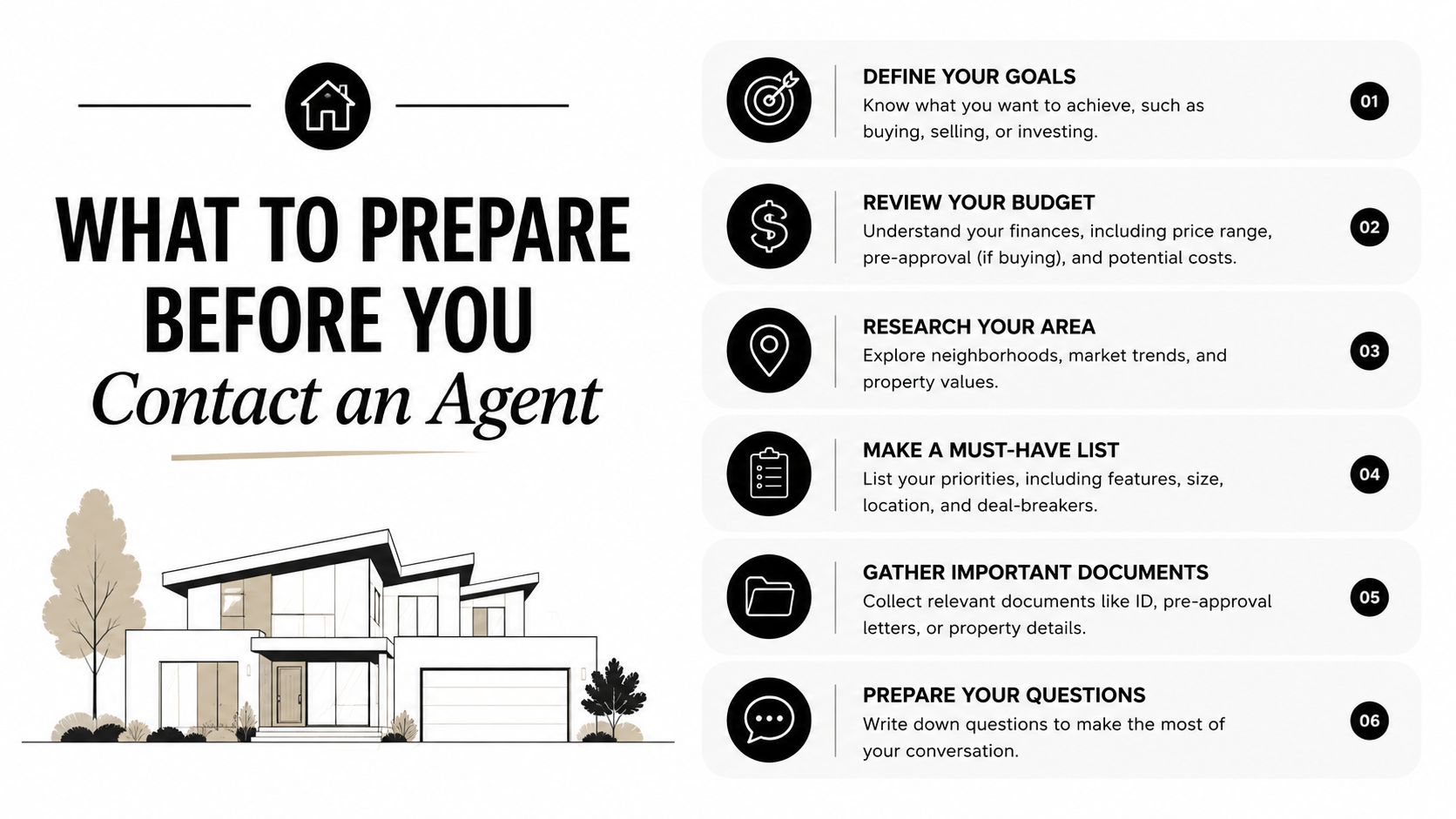
What to Prepare Before You Contact an Agent
A bad quote call usually starts the same way. The driver is digging for a registration card, the spouse's license number is missing, the current declarations page is buried in an email thread, and the conversation turns into data cleanup instead of coverage advice.
Good preparation fixes that. It gives the agent enough to quote accurately and gives you room to ask better questions about liability limits, deductibles, rental reimbursement, uninsured motorist coverage, and whether your current policy leaves any obvious gaps.
Bring the details that affect the quote
Before you call or submit a form, pull together the information that changes pricing and eligibility:
Driver information
Full legal names, dates of birth, license numbers, and everyone in the household who may need to be listed or excluded.Vehicle information
Year, make, model, VIN, current mileage, lienholder information if the car is financed, and how each vehicle is used, commuting, business, pleasure, or delivery.Current insurance documents
Your declarations page matters more than any other document because it shows your current limits, deductibles, optional coverages, and endorsements.Address and parking details
California rates can change based on where the car is garaged and whether it is parked on the street, in a driveway, or inside a garage.Loss and ticket history
Prior claims, accidents, and violations need to be disclosed clearly. If the first quote is built on incomplete information, the final price often changes.
Know what you have before you shop what is cheaper
Price comparisons go sideways when the coverages are not matched. I see this all the time. A driver thinks they found a lower premium, but the quote subtly dropped physical damage coverage, raised deductibles, or reduced liability limits.
That is why the declarations page saves time. An agent with access to multiple carriers can line up the coverage side by side and show you where the differences are. That matters in California, where the right answer is not always the lowest premium, especially for households with teen drivers, financed vehicles, long commutes, or assets to protect.
State minimum liability limits are a legal starting point, not a smart default for every household. Policygenius outlines North Carolina's minimum liability requirements in its guide to minimum liability limits, and the larger point applies here too. Minimums keep you legal. They may not do much to protect savings, wages, or future earnings after a serious crash.
If your only goal is the lowest monthly payment, expect a policy built to meet the lowest requirement.
Don't forget the car's backstory
Used cars create extra underwriting questions. Prior damage, salvage history, branded titles, inconsistent mileage, and poor repairs can affect how a carrier views value and condition. They can also change what an agent needs to verify before binding coverage.
If you are buying a used vehicle, review vehicle history and insurance premiums before you insure it. That step can save you from quoting one car on paper and finding out later the actual risk profile is different.
If you already have your declarations page and vehicle details handy, a California car insurance quote request can make the first conversation faster and more accurate.
Key Questions to Ask a California Insurance Agent
You call two agencies after searching "car insurance agencies near me." One gives you a price in three minutes and pushes for a deposit. The other asks where you drive, who lives in the household, whether the car is financed, and whether you also need help with home or renters coverage in California. The second call usually tells you more about the agency than the quote itself.
A useful conversation should show how the agent thinks. Good agents explain what affects premium, what affects protection, and where California drivers tend to get burned by thin coverage or bad assumptions.
Ask questions that show whether the agent can actually advise you
Use questions that make the agent explain process, not just price:
- Do you quote with multiple carriers, or are you limited to one company
- Will you compare my current policy line by line, including limits and deductibles
- What coverage gaps do you see most often for California drivers
- How do you handle households that may need auto plus renters, condo, home, or umbrella coverage
- How do you deal with property issues tied to wildfire areas or Fair Plan situations
- What happens after the sale if I add a car, move, add a teen driver, or need proof of insurance fast
- How do you help during a claim
- What languages does your office support, and who will service my account
That language question matters. Plenty of offices can answer the phone. Fewer can explain exclusions, deductibles, claim steps, and DMV-related issues clearly in the language your household uses every day. As noted earlier, California gives consumers tools to check language support. The smarter move is to confirm how that support works inside the office, not just whether it appears in a directory.
What strong answers sound like
| Category | Question to Ask | What a Good Answer Sounds Like |
|---|---|---|
| Carrier access | Do you quote multiple companies? | “Yes. We check several carriers, then explain why one is cheaper or broader.” |
| Coverage review | Will you compare my current policy line by line? | “Yes. We review liability, deductibles, uninsured motorist, medical payments, rental, and any gaps.” |
| California-specific issues | How do you handle wildfire or Fair Plan concerns? | “We ask about the property side early because it can affect bundling, placement, and long-term cost.” |
| Communication | What languages does your office support? | “We can explain coverage in the language your household prefers, and we'll tell you who handles service.” |
| Service speed | How quickly should I expect a response? | “We give you a response window and a direct contact for changes or documents.” |
| Claims support | What do you do after a claim starts? | “We help you report it correctly, set expectations, and stay involved if the process stalls.” |
| Bundling | Can you quote auto with renters, home, or life? | “Yes. We look at the full account because the cheapest standalone auto quote is not always the best overall value.” |
Price-only shopping creates bad comparisons fast.
I see this all the time. One quote has state-minimum liability, no rental reimbursement, and a high collision deductible. Another quote costs more because it includes better liability limits, uninsured motorist coverage, and terms that fit the household better. On paper they both look like "full coverage," but they are not the same policy.
Ask, "Why is this quote different?" Ask, "What did you change from the other proposal?" Those questions force clear answers.
Listen for specifics, not polished sales language
A strong agent can tell you why one carrier fits a commuter, why another handles teen drivers better, or why bundling may fall apart if the home is in a tougher fire zone. A weak agent stays vague, repeats that the rate is competitive, and avoids discussing exclusions.
Ask what they would change if this were their own household. Ask what claims problem they see most often. Ask what is commonly misunderstood about rental reimbursement, OEM parts, uninsured motorist, roadside assistance, or permissive use.
Small details matter here. For example, many drivers assume every theft-related loss tied to keys or access devices is automatically covered the same way. It is not. This guide to UK car key insurance covers a different market, but the lesson is useful. Ask exactly what is included, what is excluded, and where a separate endorsement or service contract may come into play.
If you want plain-language definitions before you start calling agencies, review this California insurance FAQ with common coverage questions. It helps you tell the difference between an agent explaining your options and one reading from a script.
Navigating California's Unique Insurance Landscape
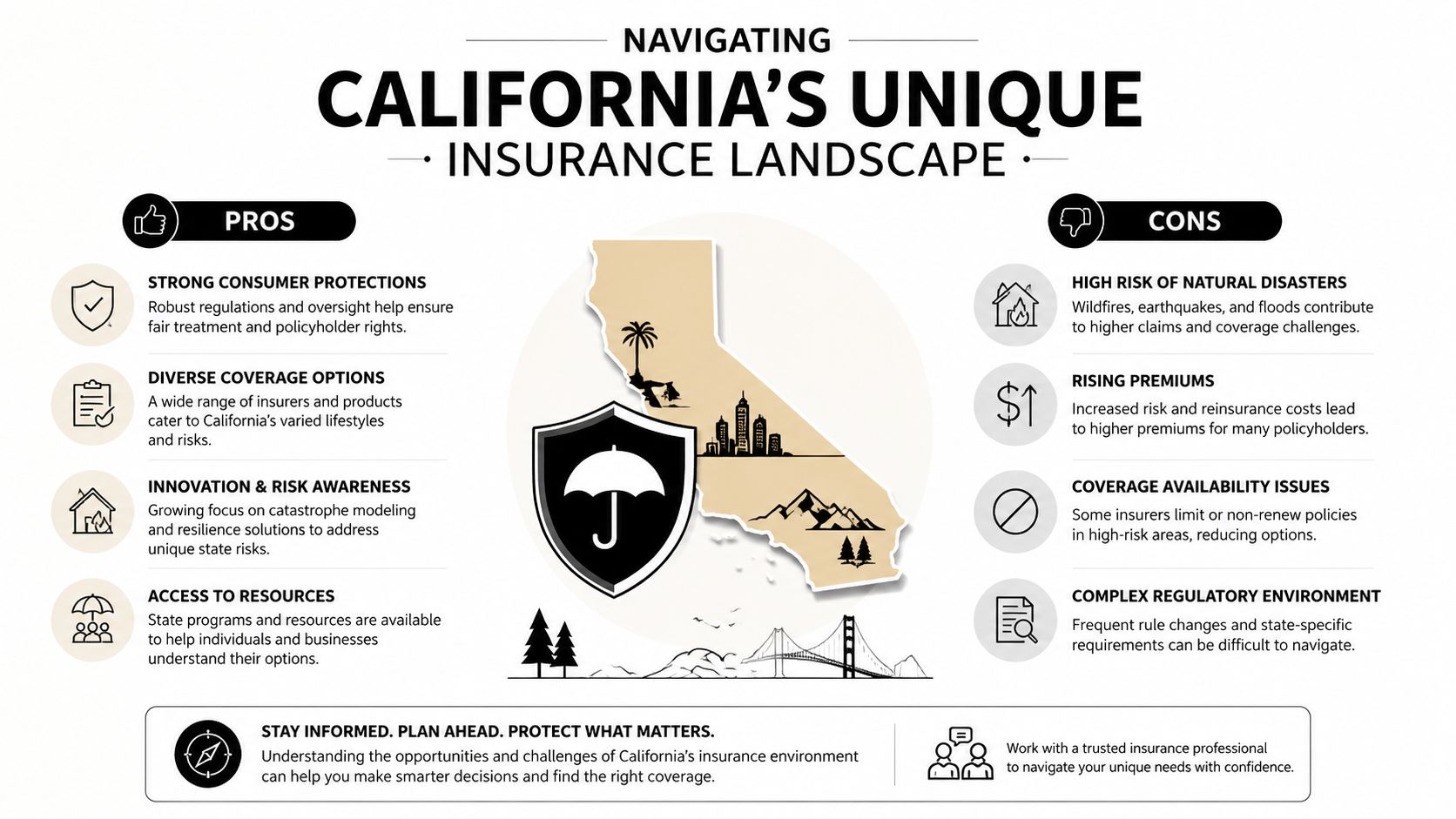
A ZIP code can change the whole insurance conversation in California. Two drivers with similar cars and clean records can still get very different advice if one parks in downtown Los Angeles and the other lives in a foothill area where wildfire exposure affects the household's home policy options.
That is why proximity alone is a weak filter. A nearby office helps, but the better test is whether the agent can handle California-specific issues without fumbling through them. That includes carrier access, multilingual support if your household needs it, and real familiarity with fire-zone complications that spill over into auto, renters, and home decisions.
Green flags that signal real competence
A strong California agency usually shows its value in the details.
Good signs include:
- They bring up wildfire exposure and home insurability early if it could affect your overall coverage plan
- They can explain California FAIR Plan basics and when a companion policy may be needed
- They compare more than one carrier, instead of forcing every client into the same option
- They can walk you through auto limits, uninsured motorist protection, deductibles, and rental reimbursement in plain language
- They can serve your household clearly in the language you use at home
- They follow up promptly and put key quote details in writing
For auto shoppers, I also look for an office that can explain the trade-offs inside a quote, not just the price on page one. A good agent should be able to show why one deductible lowers premium but raises out-of-pocket risk, or why a slightly higher liability limit may make sense for a driver with assets to protect. If you want a baseline before that conversation, review this overview of California auto insurance coverage options.
Red flags that should make you pause
Problems usually start with vague answers.
Watch for these warning signs:
- They avoid direct questions about exclusions or endorsements
- They cannot explain why one carrier is a better fit for your situation
- They gloss over property issues that often affect California households
- They refuse to send written quote details
- They push you to bind quickly before checking drivers, garaging, or usage
- They stop responding once the sales call ends
An agent does not need to know every answer instantly. They do need to know where the limits are, verify the details, and come back with a clear answer.
The Fair Plan question
If your household is in or near a higher fire-risk area, ask about the FAIR Plan directly. Ask how the office reviews eligibility, what a companion policy would need to fill in, and whether they regularly help clients coordinate auto and property coverage when the standard market tightens.
The best agencies stay calm here. They do not dodge the question, and they do not pretend every client fits a standard package. They explain what is available now, what is limited, and what trade-offs come with each choice.
That same habit matters on the auto side. The better California agents do more than pull a quick quote. They help you choose a policy that fits how you drive, where you live, and what financial risk you can realistically absorb.
Choosing Your Agent and Finalizing Your Policy
By the time you're ready to choose, the decision should feel narrower than it did at the start. You're no longer choosing from every office near you. You're choosing from the few that answered clearly, compared options thoughtfully, and treated your questions like they mattered.
That's usually the right moment to stop chasing one more quote.
Pick the agency that makes the policy understandable
The winning agency is rarely the one with the flashiest ad or the fastest promise. It's the one that gives you confidence that your policy makes sense.
Look for an agency that does three things well:
- It communicates clearly
- It compares competitive options
- It understands California-specific issues well enough to spot gaps
If you're buying auto insurance, that means the quote should match how you drive and where you live. If you're adding home insurance or renters insurance, the office should be able to explain how those policies fit together. If you're considering life insurance too, the conversation should stay practical and budget-aware.
Final review before you say yes
Before you bind coverage, verify these points:
The driver list is correct
Names, vehicles, garaging address, and usage should be accurate.The limits and deductibles match what you discussed
Don't assume the final paperwork mirrors the verbal quote.Confirm the discounts are applied If bundling, multi-vehicle, or policy features were discussed, confirm them.
You know the next steps
Ask when the policy starts, how ID cards arrive, and who to contact for service.
If you want to review policy options from a California-focused agency before making the final call, the California auto insurance page is a practical reference point for what a local, multi-policy approach should look like.
When an agency is responsive, multilingual, comfortable with California complexity, and able to compare more than one carrier, the process feels very different. It stops feeling like a random “near me” search and starts feeling like a well-informed decision.
If you want help from a licensed California team that handles auto insurance, home insurance, renters insurance, and life insurance, Mai & Associates offers multi-carrier comparisons, multilingual support in English, Spanish, Armenian, Russian, and Vietnamese, and practical guidance for wildfire and Fair Plan situations. If you'd like a no-obligation review, reach out and get a quote that's built around your actual needs, not just your ZIP code.